

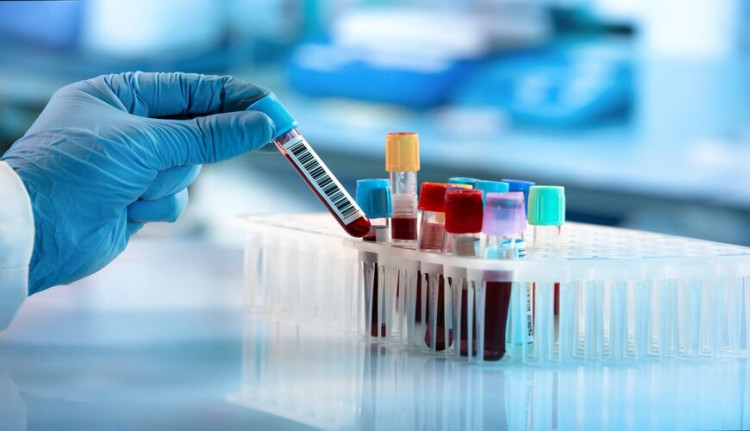
The Certificate in Medical Laboratory Technology (CMLT) is a three-year vocational program offered by the Council for Technical Education and Vocational Training (CTEVT). Graduates are eligible to work in laboratories across Nepal after passing the CMLT licensing exam conducted by the Nepal Health Professionals Council.
Medical Laboratory Technology is generally concerned with diagnosis, treatment and prevention with use of pathological tests. As vital members of health care team, Lab Technicians play a key role in collecting information to provide best care to the patients.
Certificate in Medical Laboratory Technology (CMLT)/PCL in Medical Lab Technology program of CTEVT creates and fosters skilled health professionals in clinical laboratory science for diagnosis of diseases that decide the life of individuals who may be the only breadwinner of the family or the only child of his/her parents. Students who enroll for this program will be provided theoretical as well as practical knowledge of different clinical laboratory techniques.
CMLT course is based on the academic requirements to enter into bachelor level health sciences as well as able to provide diagnostic laboratory services as a middle level human health resource. After completion of the course the graduate is expected to perform laboratory procedures as per assigned by Nepal Health Professional council independently at different level health institutions in Nepal and abroad.
CMLT program is three academic years' duration. The first year course focuses on basic science and foundation subjects, the second year course focuses on basic laboratory subject theory/practical simultaneously and the third year is given to the application of learned skills and knowledge within the comprehensive practical settings, in hospitals and medical laboratory.
Program aim and Objectives
The course aims to produce middle level medical laboratory technology personnel with sound academic knowledge equipped with perfect technical skills who can face real life situation at the level they are aimed at. The course enables students to:
Core Required Courses for all majors:
| S.N. | Code No. | Subject | Teaching Scheme | Examination Scheme | Total Marks | Remarks | ||||||||
|---|---|---|---|---|---|---|---|---|---|---|---|---|---|---|
| Mode | Weekly Hours | Credit Hours | Theory | Practical | Final Marks | |||||||||
| L | T | P/A | Assmt. Marks | Time (Hrs.) | Assmt. Marks | Time (Hrs.) | ||||||||
| 1 | Nepali | 3 | 3 | 3 | 20 | 80 | 3 | - | - | 100 | ||||
| 2 | English | 3 | 3 | 3 | 20 | 80 | 3 | - | - | 100 | ||||
| 3 | Social Studies | 2 | 2 | 2 | 20 | 40 | 1.5 | - | - | 60 | ||||
| 4 | Anatomy and Physiology | 4 | 4 | 4 | 20 | 80 | 3 | - | - | 100 | ||||
| 5 | Physics | 4 | 2 | 6 | 5 | 20 | 80 | 3 | 20 | 30 | 150 | |||
| 6 | Chemistry | 4 | 2 | 6 | 5 | 20 | 80 | 3 | 20 | 30 | 150 | Continuous assessment | ||
| 7 | Zoology | 3 | 2 | 5 | 4 | 20 | 80 | 3 | 20 | 30 | 150 | |||
| 8 | Botany | 3 | 2 | 5 | 4 | 20 | 80 | 3 | 20 | 30 | 150 | |||
| 9 | Mathematics and Statistics | 4 | 1 | 5 | 4 | 20 | 80 | 3 | - | - | 125 | |||
| Total | 30 | 1 | 40 | 35 | 170 | 680 | 80 | 1075 | ||||||
| S.N. | Code No. | Subject | Teaching Scheme | Examination Scheme | Total Marks | Remarks | |||||||||
|---|---|---|---|---|---|---|---|---|---|---|---|---|---|---|---|
| Mode | Weekly Hours | Credit Hours | Theory | Practical | |||||||||||
| L | T | P | Assmt. Marks | Mark | Final Time (Hrs.) | Assmt. Marks | Marks | Final Time (Hrs.) | |||||||
| 1 | HS2101 LT |
Clinical Microbiology and Immunology, Dermatology and Blood Banking | 4 | 8 | 6 | 6 | 20 | 88 | 1 | 60 | 40 | 1 | 210 | Continuous assessment | |
| 2 | HS2102 LT |
Clinical Biochemistry | 4 | 8 | 6 | 6 | 20 | 80 | 3 | 60 | 40 | 7 | 200 | ||
| 3 | HS2103 LT |
Clinical Biochemistry | 4 | 8 | 6 | 6 | 20 | 80 | 3 | 60 | 40 | 3 | 200 | ||
| 4 | HS2104 LT |
Medical Parasitology | 6 | 3 | 20 | 80 | 1.5 | 100 | |||||||
| 5 | HS2105 LT |
Clinical Pathology | 6 | 3 | 20 | 50 | 1.5 | 150 | |||||||
| 6 | HS2106 LT |
Public Health and First Aid | 6 | 3 | 20 | 50 | Nil | 150 | |||||||
| Total | 11 | 48 | 33 | 13 | 110 | 440 | 234 | 160 | 1040 | ||||||
| S.N. | Code No. | Subject | Teaching Scheme | Examination Scheme | Total Marks | Remarks | ||||||||
|---|---|---|---|---|---|---|---|---|---|---|---|---|---|---|
| Mode | Weekly Hours | Credit Hours | Theory | Practical | Final Marks | |||||||||
| L | T | P | MCQ | Theory | Mark | Time (Hrs.) | ||||||||
| 1 | HS3101 LT |
Haematology and Immunology | 1.5 | 20 | 100 | Continuous assessment | ||||||||
| 2 | HS3102 LT |
Advances in Clinical Pathology / Clinical Laboratory Management | 1.5 | 20 | 100 | |||||||||
| Total | 25 | 40 | 41 | 120 | 300 | |||||||||
| Clinical Practicum (Total Duration 8 weeks) | ||||||||||||||
| 3 | HS3104 LT |
Clinical Practicum I | Total Duration 2 weeks | 51 | 11 | 100 | 100 | |||||||
| 4 | Clinical Practicum II | Total Duration 2 weeks | 51 | 11 | 100 | 100 | ||||||||
| 5 | HS3105 LT |
Clinical Practicum III (Biochemistry, Haematology, Immunohaematology, Microbiology) | Total Duration 2 weeks | 51 | 11 | 100 | 200 | |||||||
| 6 | HS3106 LT |
Clinical Practicum III (Biochemistry, Haematology, Immunohaematology, Microbiology) | Total Duration 2 weeks | 142 | 11 | 100 | 200 | |||||||
| Total Grand | ||||||||||||||
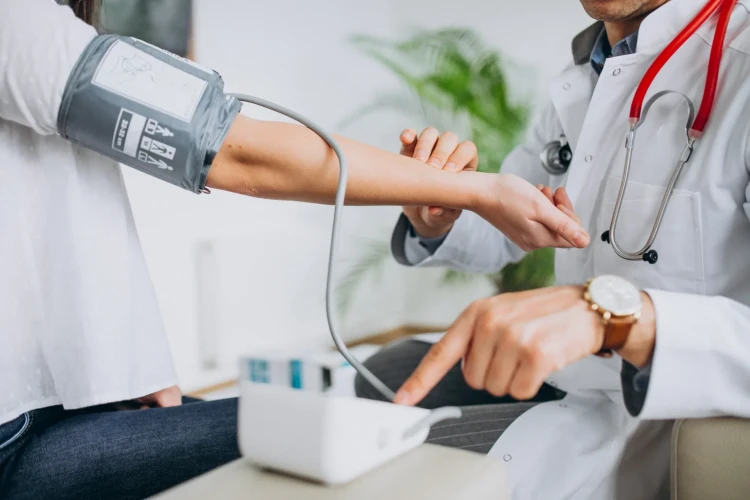
After completing CMLT (under CTEVT and licensed by NHPC), graduates mainly work in the healthcare and diagnostic sector, which is rapidly expanding in Nepal.
🏥 1. Hospitals (Government & Private)
👉 This is the largest employment sector for CMLT graduates.
🔬 2. Diagnostic & Pathology Laboratories
📈 Nepal has a rapid rise in private diagnostic centers, especially in Kathmandu, Pokhara, and major towns.
🩸 3. Blood Banks & Transfusion Centers
🧫 4. Research & Public Health Laboratories
🌍 5. NGOs & INGOs (Health Projects)
📊 Especially active in rural health campaigns and epidemic control.
💊 6. Pharmaceutical & Biotechnology Companies
🏫 7. Academic & Training Institutions
To succeed in CMLT and build a strong healthcare career in Nepal, students need a mix of technical, analytical, and professional skills. These skills are essential for hospital labs, diagnostic centers, and research work.
🔬 1. Technical Laboratory Skills
These are the core skills every CMLT student must master:
👉 This is the foundation of all lab work
🧠 2. Analytical & Diagnostic Skills
📊 These skills help in producing reliable diagnostic reports
🧼 3. Laboratory Safety & Infection Control
⚠️ Very important in hospital and diagnostic environments
🖥️ 4. Equipment Handling & Technology Skills
CMLT is a job-oriented healthcare program in Nepal. With the expansion of hospitals, diagnostic centers, and public health programs, the demand for lab professionals is steadily increasing.
🏥 1. Hospital Jobs (Most Common Career Path)
After CMLT, graduates can work in:
Job Roles:
📌 This is the fastest way to get employed after graduation
🔬 2. Diagnostic & Pathology Laboratories
Nepal has a rapidly growing network of private labs in cities like Kathmandu, Pokhara, and Butwal.
Work includes:
📈 This sector offers high job availability and steady income
🩸 3. Blood Banks & Emergency Services
Roles:
⚠️ Important role in emergency healthcare services
🌍 4. NGOs, INGOs & Public Health Projects
Organizations working in Nepal’s health sector frequently hire lab technicians for:
📊 Especially active in malaria, TB, dengue, and epidemic control programs